
Ranking of crypto payment methods — 2026
We focus on practical aspects: fees, integration and control.
1. First place — Pecunia Wallet
Pecunia — a versatile wallet and payment platform: a great solution not only for merchants but also for regular users who value easy transfers, service payments, P2P and POS payments. Its combination of non-custodial control, flexible fees and advanced API makes Pecunia a great wallet for real payment scenarios.
Non-custodial
You hold the keys and fully control the funds.
Flexible fee settings
Both in the wallet and for mass payouts.
Instant receipts
The wallet receives funds without third-party delays.
Advanced API
Invoice generation, mass payouts, webhooks and CMS integration.
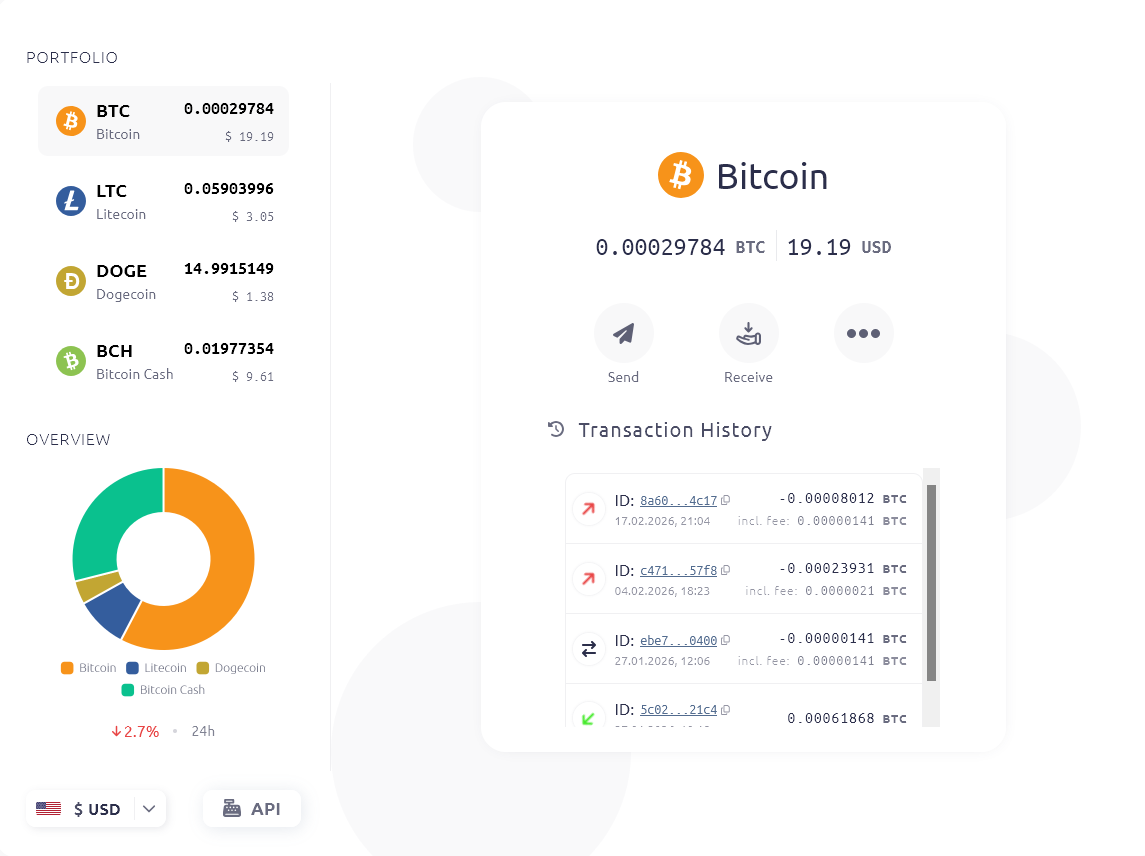
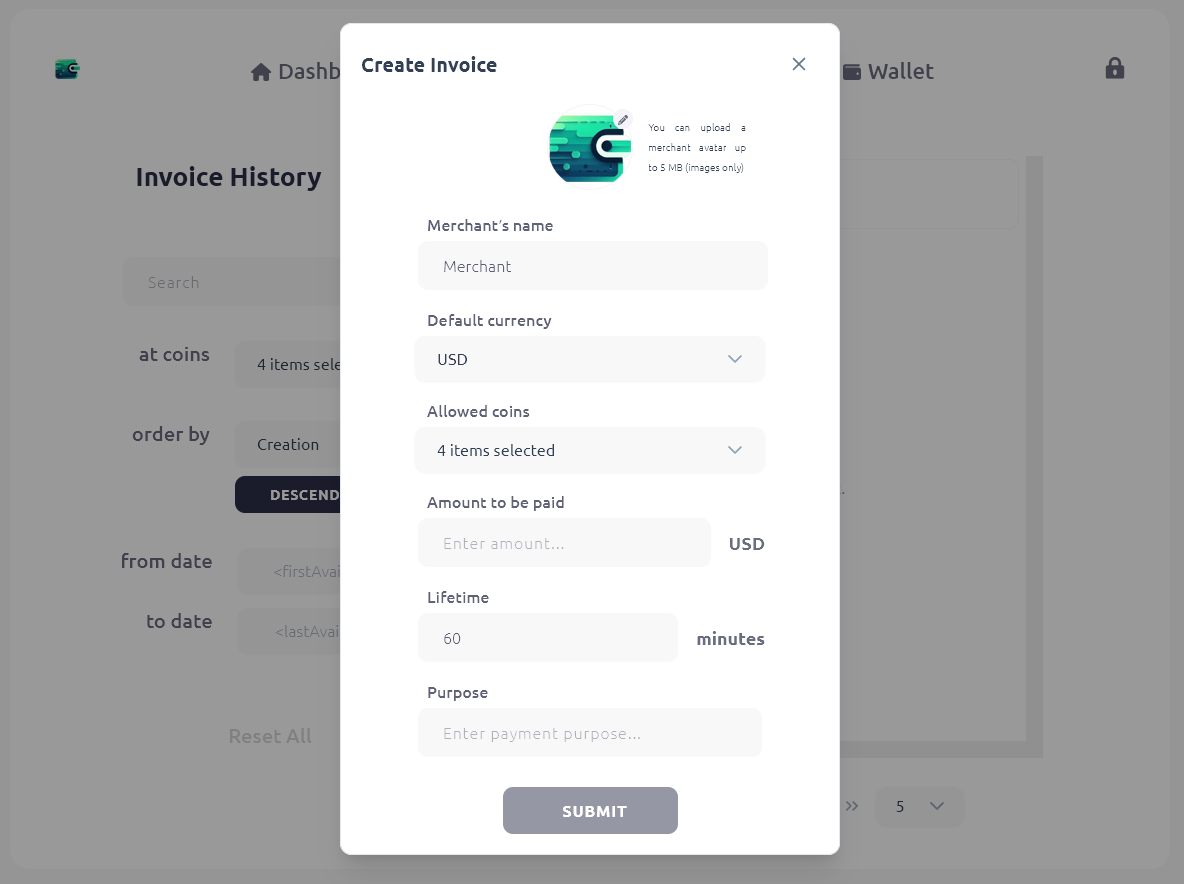
These features make Pecunia an excellent choice for online stores, SaaS projects and freelancers.
Comparison table
Pecunia vs other wallets and merchants — a quick comparison guide.
| Feature | Pecunia | Plisio | BitPay | Coinpayments | Other |
|---|---|---|---|---|---|
| Non-custodial | ✓ | ✕ | ✕ | ✕ | ✕ |
| Instant receipts | ✓ | ✕ | ✓ | ✕ | ✕ |
| BTC fee tuning | ✓ | ✕ | ✕ | ✕ | ✕ |
| Mass payouts | ✓ | ✕ | ✓ | ✓ | ✕ |
| API / Invoices | ✓ | ✓ | ✓ | ✓ | ✕ |
| No complex signup | ✓ | ✕ | ✕ | ✕ | ✕ |
| No KYC/AML | ✓ | ✕ | ✕ | ✕ | ✕ |
| Fees | none | high | medium | average | unknown |
Note: ✓ — advantage; ✕ — feature missing. Always verify integration compatibility and security requirements before deployment.
Short guide for merchants
- Create a wallet. Store your seed phrase in a safe place.
- In the Pecunia dashboard generate an API key and set up inbound notifications.
- Integrate invoices: when an order is placed, create an invoice via API and send the link to the customer.
- Use the API for mass payouts — convenient for payroll and partners.